
How to Plan a Micro-Wedding in Detroit
What Is a Micro-Wedding?
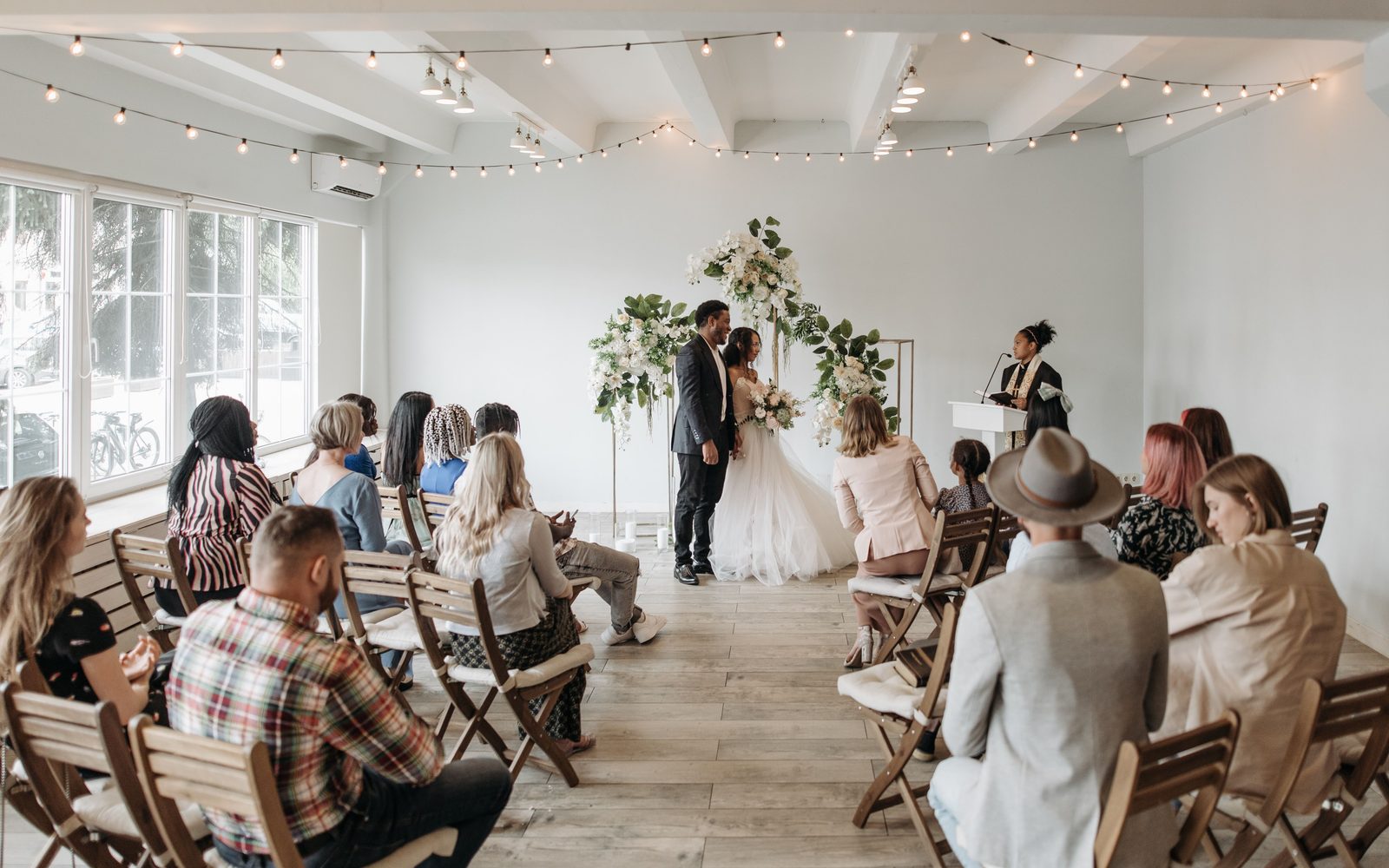
A micro-wedding is more than just a small wedding; it’s an intimate format with a limited guest list (usually under 50 people) and all the elements of a traditional wedding: ceremony, reception, attire, and photographer. Unlike elopements (which often have no guests beyond the couple and officiant), micro-weddings include close family and friends. The focus is on personalization and experience. As wedding experts note, micro-weddings have gained popularity because they let couples “spend more on what matters”, reduce stress, and enjoy real conversations with every guest. In Detroit, a micro-wedding still includes a venue, decor, and a sit-down meal just on a smaller, cozier scale.
Why Choose a Micro-Wedding in Detroit?
Couples are increasingly choosing micro-weddings for several reasons:
- Connection: With only your nearest and dearest present, you’ll genuinely connect. As one Detroit photographer notes, micro-weddings “provide a sense of closeness and warmth that’s hard to replicate in larger settings”.
- Quality over quantity: Fewer guests means you can invest more per person in things like gourmet food or dreamy flowers. An analogy from Joy Weddings: spending $6,000 on 30 people (vs $30,000 on 150) gets a much nicer dinner per guest.
- Less stress & more fun: Planning for 20–40 guests is simpler than 200. Fewer vendors, less logistics, and a shorter timeline means you can be flexible and enjoy the day. You won’t be rushing between tables – instead you’ll chat at length with each friend and relative.
- Unique venues: A smaller group opens up Detroit-specific locations that big weddings can’t use. Think urban lofts, private dining rooms, art galleries, rooftop terraces, or even a festively decorated Detroit Airbnb. For example, one couple had their entire wedding in a vintage Detroit home offering both an intimate ceremony space and an elegant getting-ready suite.
- Local flair: Detroit’s culture can shine through. Include the Motown Museum, Eastern Market, or Belle Isle Park in your photos or plans for a uniquely Detroit touch. Many couples celebrate micro-weddings with a refined dinner at a top Detroit restaurant (for example, Prime + Proper or Chartreuse) instead of a large ballroom.
Detroit fact: Detroit is the largest city in Southeast Michigan with a vibrant arts and food scene. Hosting an intimate wedding here means you can combine city energy with personal touches a trend celebrated by Detroit vendors and couples alike.
Who Should Be on Your Guest List?
Deciding who to invite is often the hardest part of planning a micro-wedding. Here’s how to tackle it:
- Start with a number: Agree with your partner on a total headcount (e.g. 20 or 30). This helps control growth of the list.
- Tier your guests: Tier 1 = must-haves (immediate family, best friends). Tier 2 = nice-to-haves (extended family, close colleagues). For a micro-wedding, only invite Tier 1 initially. Keep Tier 2 on a “maybe” list in case some Tier 1 can’t attend.
- Plus-ones policy: Decide early if plus-ones are allowed. With a 30-person cap, even 5 extra dates is a big jump. Some couples limit plus-ones to spouses/fiancés or remove them entirely.
- Honest communication: Let everyone know early on that you’re having a very small wedding. A kind explanation like “we’re keeping it to close family only” is better than silence.
- Use a tool: Track RSVPs with an online guest list app or spreadsheet. Even a small wedding has details (meal choices, allergies) and it helps to stay organized.
This careful approach reflects industry advice: finalize your small guest list before booking anything else. That way you match the venue and all planning to the right number of people.
How to Set Your Budget
Micro-weddings generally cost less total than large weddings but often more per guest. The total budget will depend on your priorities. Here are tips:
- Allocate to the big items: Venue, catering (food & drink), photographer, and possibly a planner/coordinator. With fewer guests, you might choose a gourmet meal or premium bar service you couldn’t afford for 200 people.
- Higher per-person spend: Expect to spend around $200–$400 per guest for venue and meal. (By contrast, a huge wedding might spend $100/person.) For example, a 30-person dinner at $200 each is $6,000. Keep this in mind.
- Packages and presets: Many Detroit venues (boutique hotels, restaurants) offer package deals for small events. Check if a downtown loft or historic home has a flat rate for up to X guests.
- Prioritize spending: Is photography your top priority? Allocate enough hours and a good package. If décor is less important, you can DIY centerpieces or use simple rentals.
- Emergency fund: Leave room for unexpected costs (permit fees, overtime charges, add-ons).
Overall, set your budget early and stick to it. Allocate more per head so the experience feels elevated.
Where to Hold Your Micro-Wedding in Detroit
Venue tips: Small weddings unlock creative Detroit venues. Some ideas:
Unique indoor spaces:
Historic Clubs: The Scarab Club (art deco) or the Detroit Yacht Club offer character for smaller events.
Lofts and galleries: Downtown lofts or art studios (some Detroit photographers have creative spaces).
Restaurants or private dining: Reserve a private room at a nice eatery (e.g. Selden Standard, Chartreuse, Wright & Company) – your food and service will be top-notch.
Airbnbs or rentals: As one photographer noted, “Detroit is full of hidden gems with character… a vintage Airbnb can host your getting-ready, ceremony, and portraits all in one.”
Outdoor options:
Parks: Belle Isle (with permit) has waterfront views; Palmer Park or Chandler Park Conservatory have gardens. Detroit requires a permit for ceremonies in some parks check the city Parks Dept.
Rooftops: The Detroit Foundation Hotel and other downtown rooftops offer skyline views. Great for a ceremony or cocktail hour.
Detroit Metroparks: Nearby parks like Kensington Metropark or Matthaei Botanical Gardens (Ann Arbor) are also popular for small weddings (just outside the city).
When choosing, consider logistics: number of restrooms, parking, and weather (Detroit winters are cold!). A backup plan (indoor alternative) is wise. Book early, especially for spring–fall dates, as the best small venues can fill up.
When Should You Start Planning?
Timeline: For a micro-wedding, you can plan in 3–6 months, but 6–12 months is safer if you want top vendors and prime dates.
6–12 months out: Set the date or range. Decide on style (casual backyard vibe vs. formal dinner party). Start researching venues.
6–9 months out: Finalize guest list and venue. Send save-the-dates or invitations. Book your photographer (and any needed planner/coordinator). If you need rentals (chairs, arch, etc.), order them now.
4–6 months out: Hire remaining vendors – officiant, florist, caterer (if venue doesn’t provide food), musicians or DJ, etc. Arrange decor details and menu.
2–3 months out: Plan the ceremony elements (readings, music choices). Apply for any Detroit permits if required (e.g. park ceremony). Order wedding bands, confirm dress/suit tailoring.
1 month out: Double-check RSVPs. Create a simple timeline (ceremony at 4pm, dinner at 5:30, etc.). Confirm all vendors.
Shorter planning is possible (some couples did it in 6 weeks), but with less time you must be flexible on date and venue.
How to Make Your Detroit Wedding Uniquely You
Personal touches make your micro-wedding memorable. Consider these local or creative ideas:
Photo locations: Plan a brief portrait session at an iconic Detroit spot. For example, many couples take photos in front of the Detroit Institute of Arts or the Fisher Building. Even a quick trip downtown adds a cinematic touch.
Local flavor: Incorporate Detroit elements – maybe a Motown song on piano during the ceremony, or Detroit ciders on the menu.
Dinner instead of big reception: As one Detroit wedding did, skip a DJ dance party and instead have a seated multi-course dinner or cocktail party at a top local restaurant. This feels intimate and special.
Attire: You can be more casual or creative. Many micro-wedding couples choose less formal attire (like a lace dress or linen suit) to reflect the relaxed scale.
Flexibility: Use the day to do exactly what matters. Some couples write personal vows or include an immediate family blessing. You can even have a combined ceremony+reception in one location.
Micro-weddings thrive on authenticity. Whatever you choose, make it your style whether that’s a historic Detroit loft, a picnic in a garden, or an art gallery reception.
Frequently Asked Questions
What is a micro-wedding?
A micro-wedding is an intentionally small wedding, typically with about 10–50 guests. It includes a full ceremony and reception (usually a dinner) like a normal wedding, but on a smaller scale. It differs from an elopement (0–10 people, often just immediate family) by including a guest list and dinner.
How many people should I invite?
There’s no fixed rule, but most micro-weddings have under 50. Start by setting a headcount (e.g. “we want 30 people max”) and then fill it with your closest family and friends (parents, siblings, grandparents, very close friends). Use tiers or groups to decide who really fits. Remember, each person added can significantly change the dynamic and cost.
Where in Detroit can we have our micro-wedding?
Detroit offers many small-venue options. Indoors, look at private lofts, historic clubs (Scarab Club, Voodoo Bayou Loft), or private restaurant rooms. Outdoors, Belle Isle Park, Palmer Park Conservatory, or even a backyard wedding in a suburban home are options. Nearby Metro Detroit parks (Matthaei Botanical Gardens, Kensington Metropark) are also popular. If you want a city vibe, consider a rooftop hotel terrace or a reservation at a downtown steakhouse. Check permits: Detroit parks often require a permit for ceremonies (0–50 fee, applied for at Detroit Recreation Department).
How much does a micro-wedding cost?
Costs vary. Industry sources estimate a micro-wedding (10–50 guests) often costs around $5,000–$15,000 total, though couples typically spend more per guest. Expect to allocate a large portion to food and venue (perhaps $100–$300 per plate for a nice meal). Photographer rates might be $150–$300 per hour (4–6 hours coverage). But remember: even on a smaller scale, you still have a ceremony, florist, attire, and everything – you just need less of each.
Do we need a coordinator or planner?
For a very small wedding, some couples DIY everything (with help from family), but a day-of coordinator can be invaluable even for micro-weddings. They handle logistics so you can enjoy the day. At minimum, hire a professional photographer who understands micro-weddings (less time shooting, more moments captured). A good photographer ensures you get high-quality memories, since you won’t have a large event to hide imperfections.
What’s the difference between a micro-wedding and an elopement?
A micro-wedding intentionally includes a small guest list and a reception. An elopement usually has only the couple (plus officiant, maybe two witnesses) no guest list beyond yourselves. Micro-weddings allow parents and close friends to be present, and typically have a normal ceremony structure. Think of a micro-wedding as a mini traditional wedding versus an elopement (which is more like a private declaration of marriage).