How to Build Your Personal Style
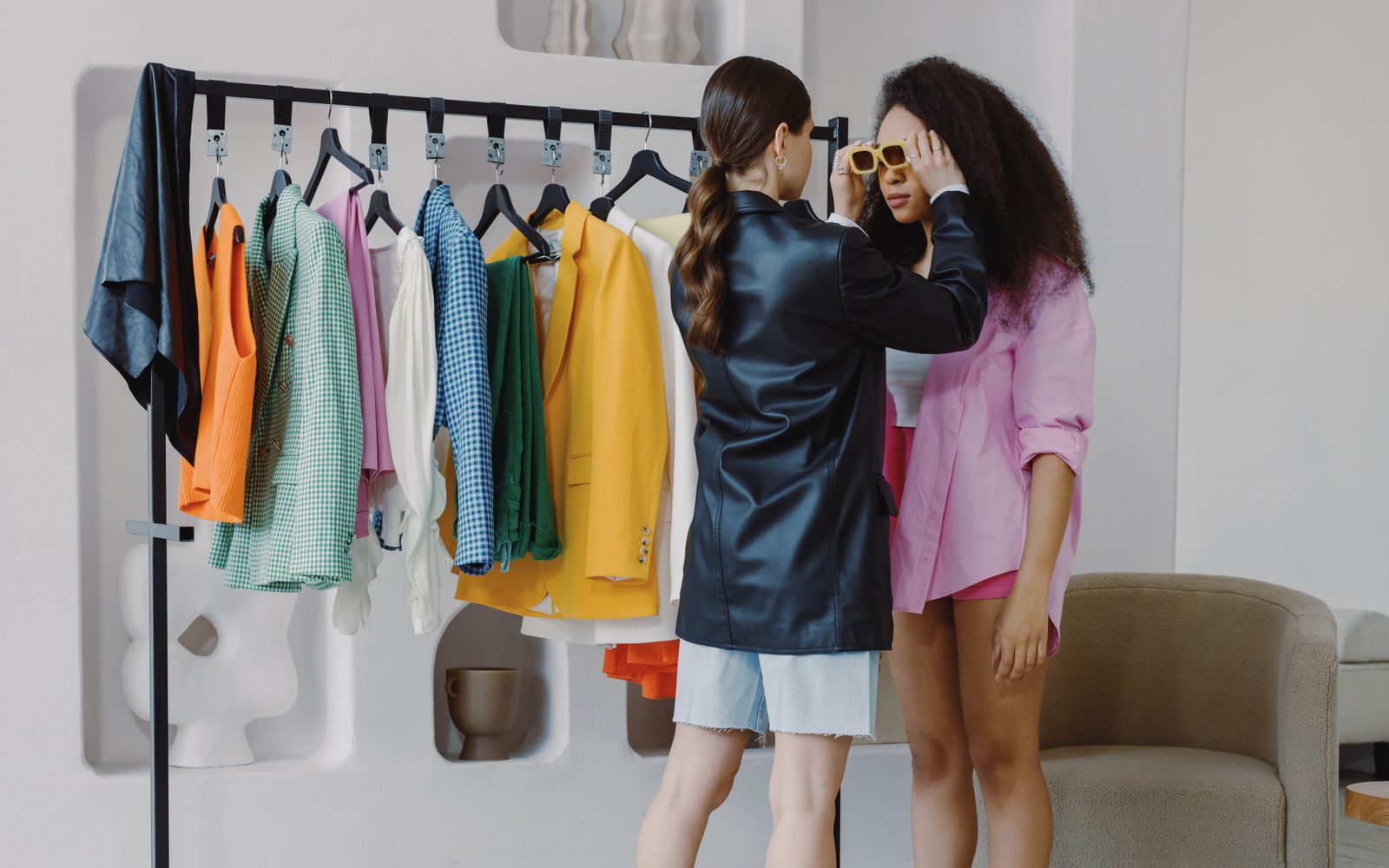
To build your personal style, start by studying what you already wear and love, collect inspiration to spot patterns, describe your style in three words, and then get the fit and colors right. Build a small core wardrobe around those choices and experiment slowly. You don’t need a big budget or a fashion background. You need a repeatable process, and this guide gives you one.
What Is Personal Style?
Personal style is a consistent way of dressing that reflects who you are, fits your life, and makes you feel confident. It’s the look people would recognize as “you,” whether that’s minimalist and neutral, colorful and playful, or casual and sporty.
Personal style is different from fashion trends. Trends change every season and belong to everyone. Style stays fairly steady and belongs to you. A trend might be barrel-leg jeans this year and something else next year. A style is knowing you always feel best in relaxed, structured silhouettes in earth tones. You can borrow trends that fit your style and ignore the rest.
How Do You Find Your Personal Style? (6 Steps)
Step 1: Audit what you already wear
Your closet already holds clues. Pull out everything and sort it into three piles: wear all the time, wear sometimes, and never wear.
Then ask about the first pile: What do these pieces have in common? Look at colors, fabrics, cuts, and how they fit. You might notice you always reach for soft knits, dark jeans, and sneakers. That’s data, and it’s more honest than any Pinterest board.
For the “never wear” pile, note why. Too tight? Itchy? Doesn’t match anything? Those reasons tell you what to avoid buying again.
Step 2: Collect inspiration and spot the patterns
Next, gather 15 to 25 images of outfits you love. Use Pinterest, Instagram, magazines, or screenshots of people you see in real life. Save outfits, not just individual clothes.
Once you have the collection, step back and look for repeats. Do you keep saving oversized blazers? Vintage denim? Clean, monochrome looks? The patterns matter more than any single image. Ignore anything that only looks good because of the model, the location, or the photo editing. If you couldn’t see yourself wearing it on a normal Tuesday, it’s inspiration, not style.
Step 3: Define your style in three words
Turn what you noticed into three descriptive words. Examples:
- Relaxed, classic, earthy
- Bold, playful, colorful
- Sleek, minimal, tailored
- Comfortable, sporty, practical
This works like a filter. Before buying anything, ask: does this fit my three words? If you chose “relaxed, classic, earthy,” a neon bodycon dress gets a polite pass, even if it’s on sale.
Step 4: Get fit and color right
Two things make almost any outfit look intentional: fit and color.
Fit: Clothes that fit your body well look better than expensive clothes that don’t. Check that shoulders sit at your natural shoulder line, sleeves and hems hit where they should, and nothing pulls or bunches. A local tailor can hem pants or take in a waist for a modest fee, and it often transforms a piece.
Color: Notice which colors make you look rested and which make you look washed out. Hold pieces up near your face in natural light. Many people find they look better in either warm tones (cream, olive, rust) or cool tones (navy, gray, emerald), a matter of skin undertone. You don’t need a formal color analysis, just a few honest mirror checks. Pick a base palette of 3 to 4 neutrals and 2 to 3 accent colors that work together.
Step 5: Build a small core wardrobe
Now you can shop, but shop with a plan. A capsule wardrobe is a small collection of versatile pieces that mix and match easily. It’s a tool, not a rule. Nobody needs exactly 30 items.
Try the 80/20 approach: about 80% of your wardrobe is reliable basics in your palette (well-fitting jeans, plain tees, a good jacket, comfortable shoes), and 20% is expressive pieces (a statement jacket, patterned scarf, bold shoes). The basics keep getting dressed easy. The fun pieces make it yours.
Think cost per wear when buying. A $90 pair of boots you wear 150 times costs 60 cents a wear. A $25 top you wear twice costs $12.50 a wear. Cheap isn’t always inexpensive, and expensive isn’t always worth it.
Step 6: Experiment in small, low-risk ways
Your style will sharpen through trial and error. Change one thing at a time: a new color, a different silhouette, a bolder accessory. Take a photo of outfits you feel great in and note what worked.
Thrift stores and secondhand apps are useful here, since trying something new costs less. If it doesn’t work, you’ve lost very little. If it does, you’ve learned something about yourself.
What Are the Most Common Personal Style Mistakes?
- Copying an influencer’s whole look. Their wardrobe, body, budget, and lifestyle aren’t yours. Borrow ideas, not entire outfits.
- Buying for a fantasy life. Ask what you actually do most days. If you work remotely and walk your dog, formal dresses may not be a priority.
- Chasing every trend. Trends that clash with your three words rarely get worn.
- Ignoring fit. This is the most common and the most fixable mistake.
- Shopping without checking your closet first. You end up with duplicates and pieces that don’t match anything.
- Expecting instant results. Style is built over time.
How Long Does It Take to Develop a Personal Style?
Most beginners start to see clear patterns within a few weeks of auditing their closet and collecting inspiration. Feeling confident and having a wardrobe that fully works together usually takes several months, because you’re testing what you like as you go. And it never really ends. Your style will change with your life, job, and interests, and that’s normal.
Frequently Asked Questions
What is personal style in simple terms?
Personal style is the way you consistently dress that reflects your personality, lifestyle, and comfort. It goes beyond trends and shows up in the colors, fits, and pieces you return to again and again.
How do I find my personal style if I have no idea where to start?
Start with your closet. Notice what you wear most and why, then collect 15 to 25 outfit images you like and look for repeated colors, shapes, and vibes. Summarize what you find in three words and use them to guide your shopping.
Do I have to follow fashion trends to have good style?
No. Good style comes from wearing clothes that fit you well and feel like you. You can pick up trends that match your style and skip the rest.
Can my personal style change over time?
Yes. Your style can shift as your job, budget, body, and interests change. Treat it as something that evolves, not a fixed label.
How do I build a personal style on a budget?
Start by wearing what you own in new ways, then fill gaps gradually with thrifted or secondhand pieces. Focus on fit, buy fewer but more versatile items, and use cost per wear to guide spending.
Not necessarily. A capsule wardrobe is a helpful way to get started because it emphasizes versatile pieces that work together, but you don’t have to hit a specific number of items.
How do I dress well if I hate shopping?
Simplify. Choose a small palette, buy a few well-fitting basics in bulk when you find them, and stick with brands and cuts that already work for you. A three-word style filter makes each purchase faster.