How to Pose for Graduation Photos: Tips for Looking Natural and Confident
Start with Strong, Natural Posture
Graduation is a milestone worth remembering, and the best portraits begin with simple, confident posture. Before worrying about complicated poses, focus on standing tall, relaxing your shoulders, and keeping your body comfortable. Good posture creates a polished appearance while still allowing the portrait to feel natural.
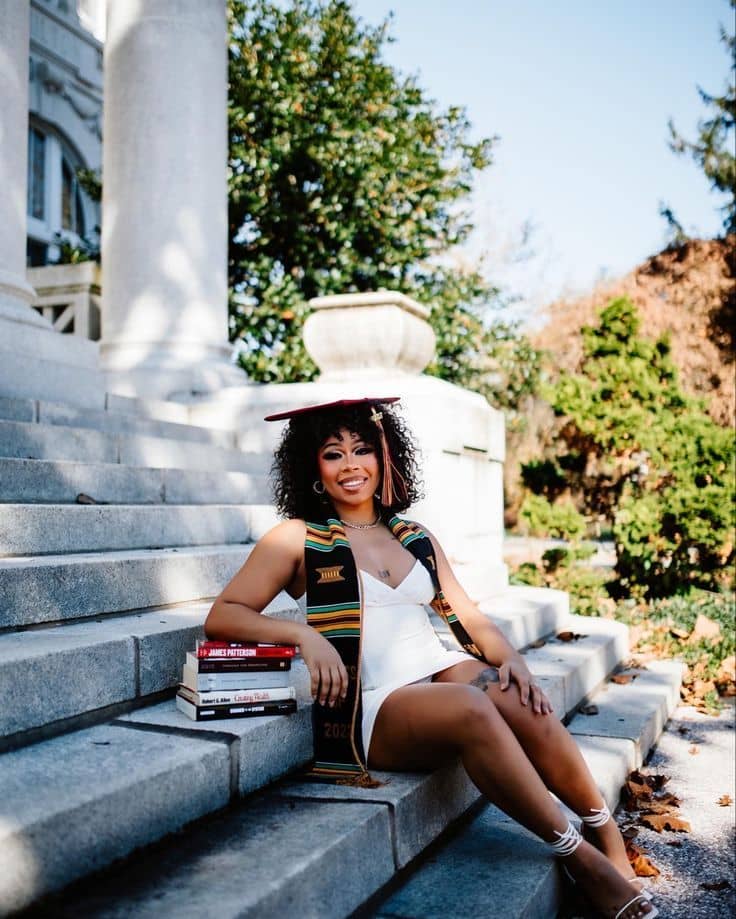
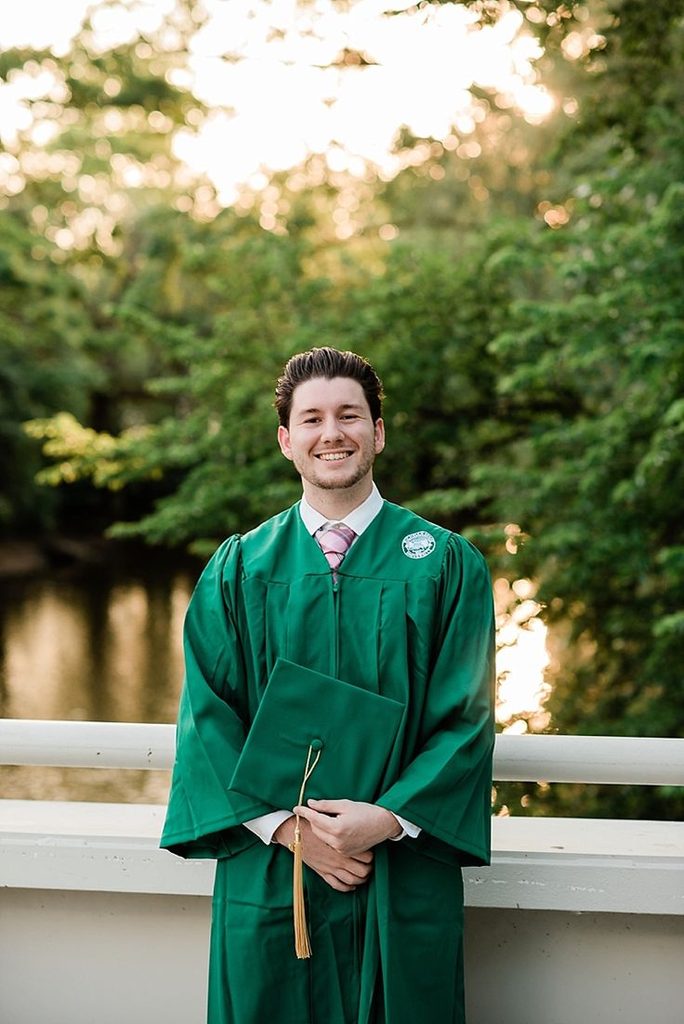
For traditional cap-and-gown portraits, try standing at a slight angle rather than facing the camera completely straight on. Place one foot slightly in front of the other and shift your weight onto your back leg. This creates a more relaxed silhouette and prevents the pose from feeling stiff. Keep your shoulders relaxed and let your arms fall naturally, or gently hold your diploma, cap, or another meaningful graduation item.
Small adjustments can make a significant difference. Turning your body slightly while keeping your face toward the camera adds dimension to the portrait, while a subtle shift of the chin can create a more flattering angle. The goal is not to look perfectly posed—it is to look confident, comfortable, and proud of the accomplishment.
Use Your Hands with Purpose
One of the most common challenges during portrait sessions is figuring out what to do with your hands. Rather than leaving them awkwardly at your sides, give them something natural to interact with.
Your diploma is an excellent prop for graduation portraits. Hold it at your side for a classic look, bring it slightly forward for a more celebratory portrait, or hold it against your chest for a personal and meaningful pose. You can also incorporate your graduation cap, stole, cords, flowers, or other accessories that represent your academic journey.
For a more casual portrait, place one hand in a pocket while allowing the other arm to remain relaxed. If your outfit does not have pockets, lightly rest one hand against your hip or gently hold the opposite wrist. These small movements help create natural-looking photographs without making the pose feel overly rehearsed.
Create Variety with Movement
Not every graduation photograph needs to be a traditional portrait. Some of the most memorable images happen when there is movement and personality involved.
Walking toward the camera, adjusting your graduation cap, looking over your shoulder, or tossing your cap into the air can create photographs that feel energetic and authentic. Walking poses are particularly useful because they give your body something to do naturally while allowing the photographer to capture genuine expressions.
Another effective technique is to take a few steps, pause, and look toward the camera. This creates a relaxed transition between posed and candid photography. Movement also gives the session variety, allowing your final collection to include both timeless portraits and images that capture the excitement of graduation day.
Let Your Personality Show
A graduation portrait should represent more than a degree—it should represent the person who earned it. While classic poses are important, personal details can make your photographs much more meaningful.
Consider bringing items connected to your academic experience, such as a favorite book, sports equipment, musical instrument, creative work, club memorabilia, or anything else that represents an important part of your journey. These details can turn a standard graduation portrait into a visual story.
Expressions matter just as much as poses. A traditional smile is always a great option, but do not be afraid to experiment with a subtle smile, a confident serious expression, or even looking away from the camera. A variety of expressions gives the final gallery more personality and helps capture different sides of the graduate.
Choose Locations That Complement the Story
The setting can have just as much influence on a graduation portrait as the pose itself. Consider locations that have personal significance or visually complement the graduate’s style.
Campus architecture, libraries, stadiums, gardens, city streets, and open outdoor spaces can all provide distinctive backgrounds. Look for areas with interesting textures, leading lines, natural light, or recognizable features that help establish a sense of place.
When photographing outdoors, softer natural light is often especially flattering. Early morning or late afternoon light can create depth and warmth while avoiding the harsh shadows that can occur in the middle of the day. A strong location combined with a simple pose can produce a portrait that feels both polished and personal.
Your Graduation, Your Story
Graduation marks the end of one chapter and the beginning of another. The best graduation portraits preserve more than an outfit and a diploma—they capture the confidence, personality, and accomplishment behind the moment.
At Vivid Imagery, the goal is to create graduation portraits that feel authentic to each graduate. From classic cap-and-gown portraits to creative locations, candid movement, and personal details, every session is an opportunity to tell your story through imagery.
Take a breath, relax, and enjoy the moment. You already accomplished the hard part. Now it is time to celebrate it.