
Travel Photography Tips: How to Capture Beautiful Memories on Your Next Trip
Travel photography is the practice of capturing places, people, experiences, and moments during a journey in a way that tells a visual story. Great travel photos are not simply about photographing famous landmarks; they combine good light, thoughtful composition, authentic moments, and a sense of place. Whether you’re using a professional camera or your smartphone, a few simple travel photography tips can make a noticeable difference. From choosing the right time of day to looking beyond typical tourist shots, you can create meaningful images that bring your travel memories back to life. In this guide, you’ll find practical travel photography tips for beginners and experienced travelers, including how to take better travel photos, capture people naturally, and make your vacation photography more personal and memorable.
Why Is Travel Photography More Than Taking Pictures?
When you’re traveling, it’s easy to photograph everything you see. A beautiful building, a busy street, a mountain view, or a plate of local food can all seem worth capturing.
But strong travel photography is about more than collecting pictures.
A good travel photo can communicate:
- What a destination feels like
- The atmosphere of a particular place
- Local culture and traditions
- The emotions of a moment
- Small details that travelers might otherwise overlook
Instead of asking only, “What should I photograph?”, try asking, “What story do I want this photograph to tell?”
That small change in perspective can completely improve your travel photos.
1. Research Your Destination Before You Go
One of the easiest ways to improve your travel photography is to do a little research before your trip.
Look at the destination’s:
- Popular landmarks
- Local neighborhoods
- Markets
- Natural landscapes
- Cultural events
- Sunrise and sunset locations
- Interesting architecture
This doesn’t mean you need to copy photographs you’ve seen online. Instead, use them to understand the location and discover opportunities that interest you.
Also, check whether photography is restricted in religious sites, museums, cultural locations, or private properties.
A little preparation can help you spend less time searching for photo opportunities and more time enjoying your destination.
2. Use Natural Light to Your Advantage
Lighting can make a huge difference in photography.
Harsh midday sunlight can create strong shadows, while softer morning and evening light often creates a more flattering and atmospheric look.
For how to take better travel photos, pay attention to the direction and quality of light.
Try photographing during:
- Golden hour:The period shortly after sunrise or before sunset can produce warm, soft light.
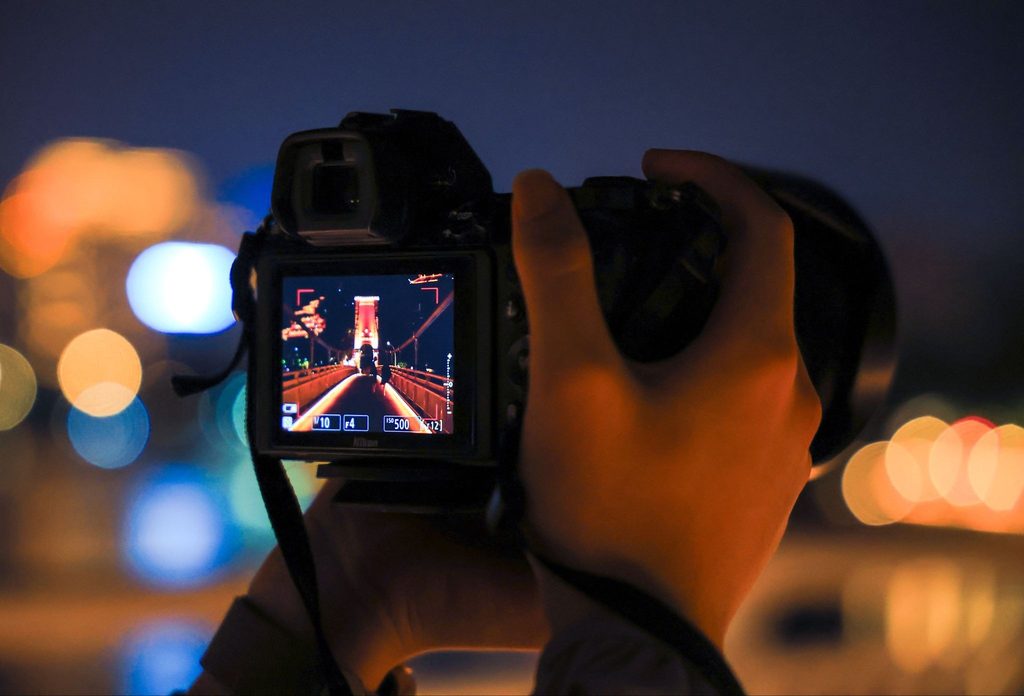
- Blue hour:The short period before sunrise or after sunset can create beautiful cool tones, especially around city architecture.
- Overcast days:Cloudy weather can provide soft, even lighting that works particularly well for portraits, architecture, and street photography.
You don’t always need perfect weather. Sometimes changing conditions can make your photographs more interesting.
3. Don’t Photograph Everything From Eye Level
One of the simplest photography tips is to change your perspective.
Instead of taking every photograph while standing normally, try:
- Getting closer to your subject
- Photographing from a lower angle
- Finding a higher viewpoint
- Looking through windows or doorways
- Using reflections
- Photographing through natural frames
- Turning around to see what’s behind you
Changing your position can make an ordinary scene feel completely different.
For example, a crowded street photographed from eye level may look ordinary. A low-angle image showing people walking beneath colorful buildings can create a much stronger sense of place.
4. Look for the Details
Travel isn’t only about famous landmarks.
Some of the most memorable travel photos may come from small details:
- A local market stall
- Street signs
- Traditional clothing
- Architecture details
- Local food
- Handmade products
- Flowers and plants
- Café tables
- Interesting textures
These details help tell the story of a destination.
When creating a collection of vacation photos, try combining wide landscape images with medium shots and close-up details. Together, they create a more complete visual story.
5. Capture People and Everyday Life
People can bring a destination to life.
Instead of photographing only buildings and landscapes, look for genuine moments of everyday activity.
You might capture:
- Someone preparing local food
- A street performer
- People enjoying a café
- A family walking through a market
- Local artists working
- People commuting
- Children playing
Always be respectful when photographing people. In many situations, especially with close-up portraits, it’s appropriate to ask for permission.
Avoid treating people simply as photographic props. The best travel portraits often come from genuine interactions and respectful curiosity.
6. Tell a Story With Your Vacation Photos
A great vacation photo collection should feel like a story rather than a random collection of images.
Think about photographing your trip in chapters:
1-Before the Journey:Capture packing, transportation, tickets, or the beginning of the adventure.
2-Arrival:Photograph the first views, streets, signs, or surroundings that introduce the destination.
3-Exploring:Capture landmarks, food, people, architecture, and everyday moments.
4-Experiences:Photograph activities that were personally meaningful to you.
5-Quiet Moments:Don’t overlook slow mornings, sunsets, coffee breaks, or peaceful views.
7. Use the Rule of Thirds—But Don’t Depend on It
The rule of thirds is a useful composition technique for beginners.
Imagine your frame divided into nine equal sections using two horizontal and two vertical lines. Placing your main subject near one of the intersections can create a balanced composition.
Many cameras and smartphones allow you to turn on grid lines to help with this.
However, don’t feel that every photograph needs to follow the rule of thirds.
Experiment with:
- Centered compositions
- Symmetry
- Leading lines
- Negative space
- Framing
- Reflections
8. Take Better Travel Photos With Your Smartphone
You don’t need an expensive camera to create beautiful travel images.
Modern smartphones offer excellent cameras, making them especially useful for spontaneous moments.
For better smartphone travel photography:
- Clean the camera lens before shooting.
- Tap your subject to focus.
- Avoid excessive digital zoom.
- Use natural light whenever possible.
- Hold your phone steady.
- Try different angles.
- Don’t rely too heavily on filters.
- Take both horizontal and vertical images.
A smartphone can also be easier to carry than a larger camera, which means you’re more likely to have it ready when an unexpected moment happens.The best composition depends on the scene and the story you’re trying to tell.
9. Don’t Forget to Enjoy the Experience
One of the most important travel photography tips is knowing when to put your camera down.
It’s easy to spend an entire trip searching for the perfect photograph and forget to experience the destination itself.
Take your photographs, but also:
- Enjoy the food.
- Talk to people.
- Explore without a camera sometimes.
- Watch the sunset.
- Get lost in a new neighborhood.
- Experience local culture.
Some memories don’t need to be photographed to be valuable.
Your best travel story may include both the photographs you captured and the moments you simply experienced.
10. Take More Than One Photograph
Important moments can happen quickly.
If you’re photographing something meaningful, take several images rather than relying on one frame.
Try slightly different:
- Angles
- Compositions
- Distances
- Expressions
- Camera orientations
Later, you can choose the image that best captures the moment.
However, avoid taking hundreds of almost identical photographs. Being intentional will make editing and organizing your collection much easier.
Travel Photography Tips for Beginners: A Simple Checklist
If you’re new to photography, keep this checklist in mind during your next trip:
- Plan: Research locations and photography opportunities.
- Watch the light: Morning and evening can offer beautiful conditions.
- Change perspective: Move around instead of taking every photo from eye level.
- Look for details: Small moments can tell a big story.
- Include people: Capture authentic experiences respectfully.
- Try different compositions: Use framing, symmetry, and leading lines.
- Take your time: Don’t rush every photograph.
- Back up your images: Protect your memories while traveling.
- Enjoy the journey: Photography should add to your experience, not replace it.
Common Travel Photography Mistakes to Avoid
Even experienced photographers can fall into a few common habits while traveling.
1-Photographing Only Famous Landmarks
Landmarks are important, but they don’t tell the whole story of a destination.
2-Ignoring the Background
A great subject can be ruined by a distracting background. Before pressing the shutter, quickly check what’s around your subject.
3-Shooting Only at Midday
If possible, experiment with different times of day to find more interesting light.
4-Using Too Many Filters
Heavy editing can make photographs look unnatural. Try to preserve the atmosphere of the original scene.
5-Forgetting to Back Up Photos
Losing travel photographs because of a damaged or lost device can be heartbreaking. Back up important images regularly.
Frequently Asked Questions About Travel Photography
What are the best travel photography tips for beginners?
Start with good lighting, simple compositions, different perspectives, and authentic moments. You don’t need expensive equipment to begin creating better travel photos.
What is the best time of day for travel photography?
Early morning and late afternoon often provide softer, warmer light. However, every location is different, so explore different lighting conditions.
How can I take better travel photos with my phone?
Keep the lens clean, use natural light, avoid excessive zoom, experiment with angles, and make sure your subject is properly focused.
How do you take beautiful vacation photos?
Focus on telling a story rather than photographing only landmarks. Combine landscapes, people, details, food, architecture, and candid moments to create a more complete collection.
Do I need a professional camera for travel photography?
No. A smartphone or entry-level camera can produce excellent results when you understand light, composition, and timing.
Should I ask people before taking their photographs?
For close-up portraits, asking permission is generally the respectful approach. Be particularly mindful of cultural expectations and privacy.
Make Every Journey Worth Remembering
Great travel photography isn’t about having the most expensive camera or visiting the most famous destinations. It’s about noticing the light, finding interesting perspectives, paying attention to details, and capturing the moments that made your journey special.
Whether you’re using a smartphone or a dedicated camera, these travel photography tips can help you capture images that feel personal and meaningful. Don’t worry about making every photograph perfect. Focus on the people, places, emotions, and small moments that you’ll want to remember long after your trip ends.
At vie25.com, we believe photography is one of the best ways to preserve the stories behind your travels. Explore more photography inspiration and practical guides on vie25.com, and make your next journey one worth remembering.